 Off The Grid Play
The Revival of Competitive Arcade Scenes in Urban Culture
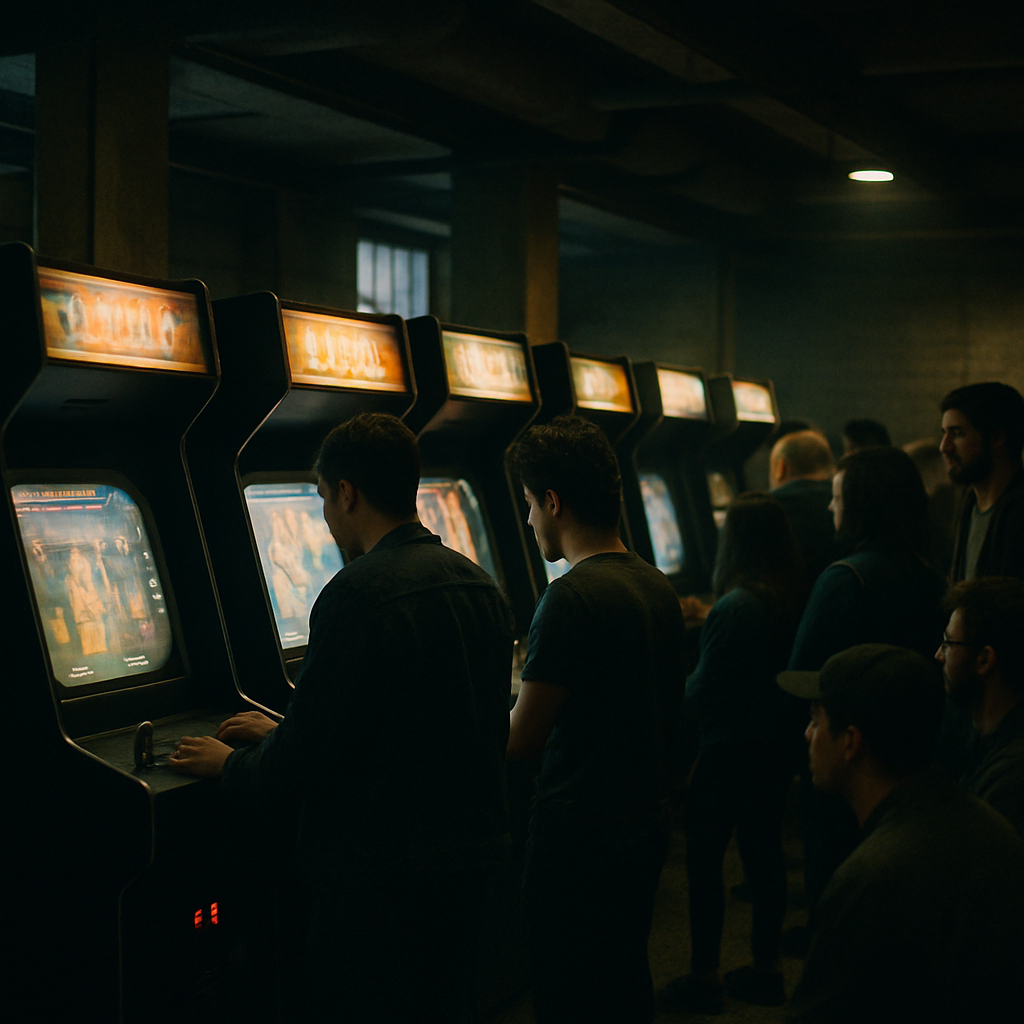
In recent years, there has been a noticeable resurgence of competitive arcade scenes in urban areas across the globe. This renaissance is not just a nostalgic nod to the golden age of arcades in the '80s and '90s; it is a dynamic, thriving culture that intertwines with modern gaming trends. The return of these lively spaces speaks volumes about the evolving nature of communal play and the enduring human desire for face-to-face interaction. As video games continue to dominate the digital landscape, arcades offer a unique, tactile gaming experience that is both competitive and social, drawing players of all ages back to their roots in shared play.
The Rise of the New Arcade
The rebirth of arcade culture is part of a broader movement towards experiential entertainment, where consumers seek interactive and immersive experiences rather than passive consumption. Companies like Barcade in the United States have capitalized on this trend by creating hybrid spaces that blend classic arcade gaming with modern social venues such as bars and cafes. These spaces offer a curated selection of retro arcade machines alongside craft beers and artisanal snacks, appealing to both nostalgic adults and younger audiences looking for unique entertainment.
In Europe, similar ventures like NQ64 in the UK combine retro gaming with a vibrant nightlife atmosphere, fostering a sense of community among gamers. These new arcades have become cultural hubs where people gather not just to play but to compete, socialize, and celebrate gaming culture. The resurgence of these spaces is fueled by a growing appreciation for the craftsmanship and challenge inherent in classic arcade games, which often require more skill and engagement than their home console counterparts.
What sets these modern arcades apart is their ability to offer a communal gaming experience that cannot be replicated by online gaming. The physical proximity of players, the sounds of machines, and the lively atmosphere create an environment that promotes friendly competition and camaraderie. This revival of competitive arcades reflects an urban culture that values authentic social interactions in an increasingly digital world.
The Technology Driving the Revival
Advancements in technology have played a crucial role in the resurgence of arcade gaming. While the essence of arcade games remains rooted in simple, yet challenging gameplay, modern technology has enhanced their appeal. Companies like Raw Thrills are producing new arcade machines that combine traditional gameplay mechanics with high-definition graphics and immersive sound systems. These modern arcades offer a sensory-rich experience that captures the attention of a generation accustomed to high-quality visuals and sound.
The integration of online leaderboards and social media features into arcade machines has also revitalized competitive play. Players can now compete not only against those in the same venue but also against a global community. This connectivity extends the social reach of the arcade experience and adds a new dimension to competition, as players strive to top international leaderboards. The use of RFID cards and mobile apps to track progress and achievements has further gamified the arcade experience, encouraging repeat visits and sustained engagement.
Additionally, the accessibility of retro gaming through digital platforms such as the Nintendo Switch and PlayStation Network has ignited interest in arcade classics among younger audiences. The nostalgia for retro games has been leveraged to create a bridge between generations, fostering an inclusive gaming community that appreciates both the history and future of video games. As technology continues to evolve, it is likely to further enhance the appeal and viability of arcade gaming in urban centers.

Urban Centers as Cultural Playgrounds
Urban environments provide the perfect backdrop for the resurgence of arcade culture, offering a blend of diverse demographics and vibrant lifestyles. Cities like Tokyo, New York, and Seoul, known for their fast-paced and dynamic cultures, have become hotspots for this arcade revival. These cities offer a melting pot of cultures and experiences where gaming enthusiasts can find a sense of belonging and community.
In Tokyo, arcades like Taito Station in Akihabara are landmarks of gaming culture, attracting both locals and tourists. These venues are not merely places to play games but social spaces where people gather to interact and compete. The integration of arcades into the fabric of urban life reflects a broader trend of cities becoming cultural playgrounds where traditional and contemporary forms of entertainment coexist.
Urban arcades also serve as incubators for competitive gaming and eSports. Many arcades host regular tournaments and events that draw participants from across the globe, elevating the status of these venues beyond entertainment hubs to recognized platforms for professional gaming. The synergy between arcades and urban culture amplifies the visibility and legitimacy of competitive gaming, encouraging more players to engage in the scene and nurturing emerging talents.
The Role of Community and Inclusivity
Community and inclusivity are fundamental to the revival of competitive arcade scenes. Modern arcades are designed to be welcoming spaces where people of all backgrounds can come together to share their passion for gaming. This inclusivity extends beyond just offering a diverse range of games; it encompasses creating an environment where everyone feels comfortable to express themselves and engage with others.
The emphasis on community is evident in the way arcades organize events and tournaments. These gatherings are opportunities for players to hone their skills, showcase their talents, and connect with fellow enthusiasts. By fostering a sense of belonging and community spirit, modern arcades transcend being mere entertainment centers to become vital social spaces within urban landscapes.
Inclusivity also means accommodating different skill levels and interests. Arcades today offer a variety of games that cater to both casual players and hardcore enthusiasts, ensuring that everyone can find something they enjoy. This inclusive approach not only broadens the appeal of arcades but also enriches the cultural tapestry of urban life. As more people discover the joys of arcade gaming, the sense of community and camaraderie continues to grow, reinforcing the relevance of arcades in contemporary society.
The Future of Arcades in Urban Culture
As urban centers continue to evolve, the role of arcades within these landscapes is likely to expand. The renewed interest in arcade gaming is part of a larger trend towards experiential and interactive leisure activities that emphasize social connection. Arcades are increasingly seen as important cultural and social spaces that offer unique experiences not available through digital or home gaming.
With the growing interest in virtual and augmented reality, arcades have the potential to lead the way in offering next-generation interactive experiences. Pioneering companies like VR ZONE Shinjuku in Tokyo are already experimenting with VR arcades that combine the traditional arcade model with cutting-edge technology, offering immersive experiences that cannot be replicated at home. This innovation highlights the adaptability of arcade culture and its capacity to integrate new technologies while preserving its core values of community and competition.
The revival of arcades in urban culture signals a broader shift towards valuing communal experiences in a digital age. As people continue to seek meaningful connections and shared experiences, arcades stand to play an integral role in urban entertainment landscapes, providing a dynamic platform for competitive play and social interaction. With their rich history and adaptability, arcades are poised to become enduring cultural institutions within the cities of the future.