 Off The Grid Play
Winning Together: The Rise of Cooperative Board Games
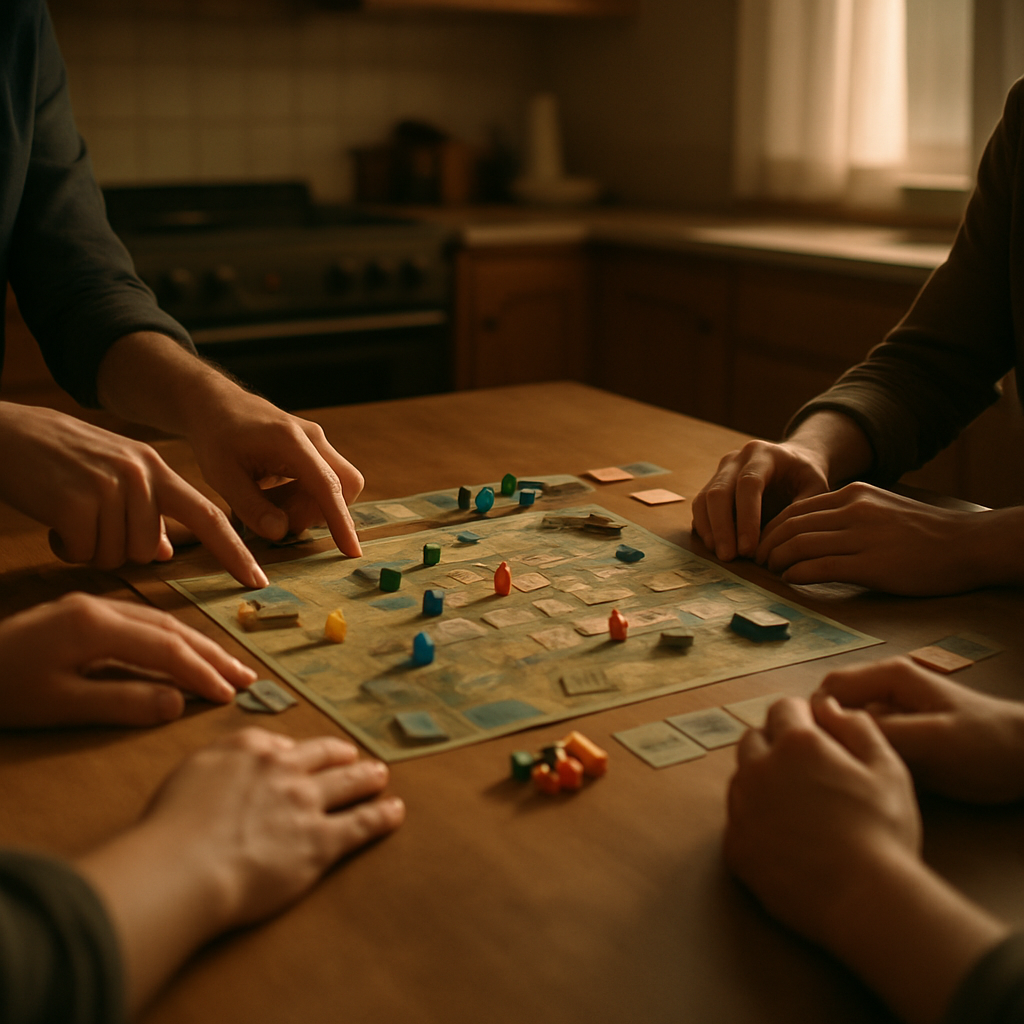
For most of board gaming history, the table was a battlefield. Monopoly bankrupted your family, Risk turned siblings into rival warlords, and someone always flipped the board. Then, over the past two decades, a quiet revolution reshaped the hobby: cooperative games, where every player wins or loses together against the game itself. Titles like Pandemic, Gloomhaven, and Spirit Island now dominate wish lists and game-night rotations. The co-op boom isn't just a market trend — it says something interesting about what people actually want from play right now.
From Fringe Experiment to Shelf Staple
Cooperative board games existed in scattered forms for decades, but the modern era arguably begins with Pandemic in 2008. Players take on roles — medic, scientist, dispatcher — and race to cure diseases spreading across a world map. The game plays the villain via a deck of cards that relentlessly escalates the crisis. It was elegant, tense, and social in a completely new way, and it sold in the millions.
The floodgates opened. Legacy games like Pandemic Legacy turned co-ops into months-long campaigns where the board permanently changes. Gloomhaven brought sprawling tactical depth. Spirit Island offered brutal difficulty for groups craving a real challenge. Meanwhile lighter titles — The Crew, Just One, Forbidden Island — made cooperation accessible to families and casual players. Today, a game store without a co-op section would be unthinkable.
Why Playing Against the Box Feels So Good
The appeal runs deeper than novelty. Cooperative structures solve several long-standing problems of the game night.
They dissolve the skill gap. In competitive games, a mismatch in experience means someone spends the evening losing. In a co-op, the veteran and the newcomer pool their abilities. The newcomer contributes and learns; the veteran gets to mentor rather than dominate.
They redirect aggression. All the delicious tension of a hard game remains — impossible decisions, near misses, last-turn heroics — but it's aimed at the system, not at your friends. You get the drama without the grudges.
They generate shared stories. Ask any group about the time they cured the last disease with one card left in the deck. Co-op victories, and even co-op defeats, become collective memories in a way that "Dave won again" never does.
They fit the moment. It's hard not to notice that co-op gaming surged during years when many people felt saturated with real-world competition and conflict. An evening spent explicitly on the same team is a small, deliberate antidote.
The Quarterbacking Problem
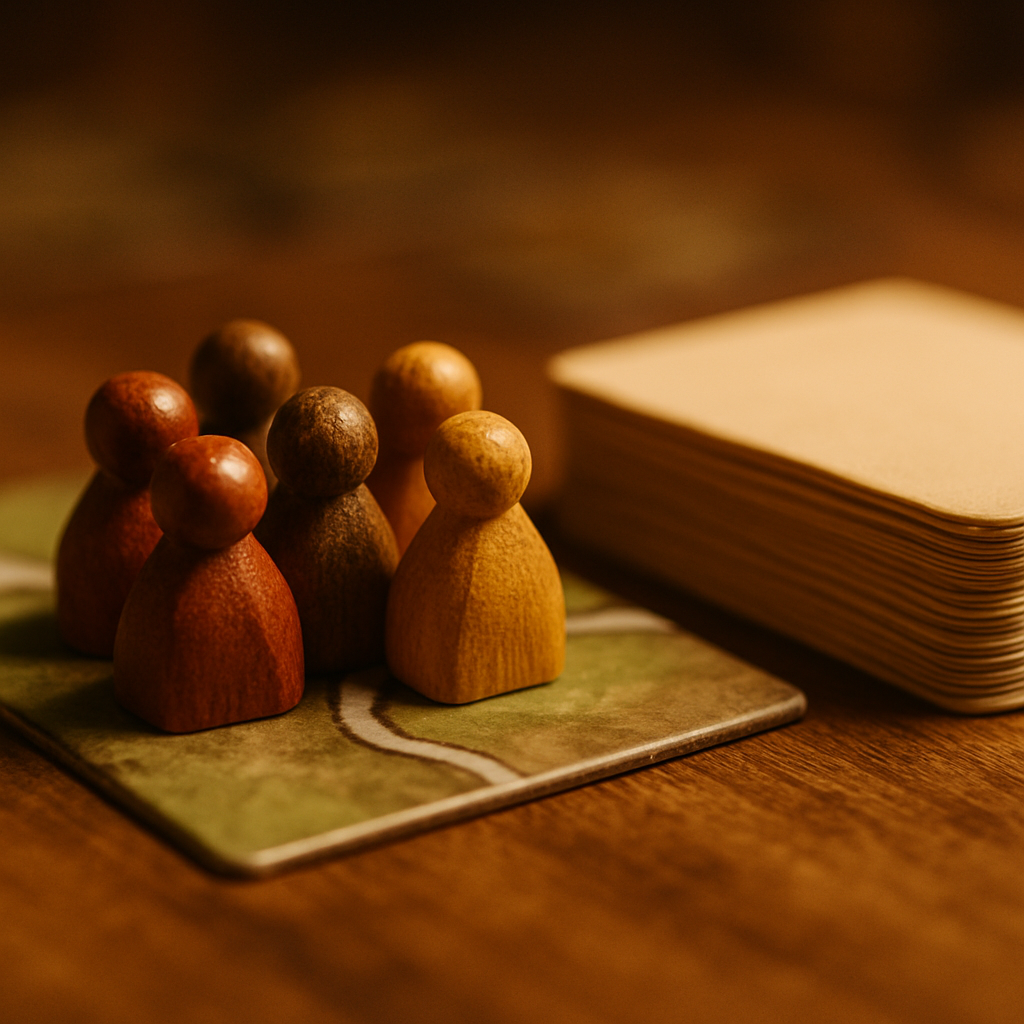
Cooperative design has one famous failure mode, and it's worth understanding because it mirrors real teamwork. "Quarterbacking" happens when the most experienced or loudest player starts directing everyone else's turns. Technically the team may play better; experientially, everyone else has been demoted to spectator.
Designers have invented clever countermeasures. Hidden information — hand cards you can't fully reveal, as in The Crew or Hanabi — makes it impossible for one brain to run the whole show. Real-time pressure, as in the frantic Space Alert, leaves no time for anyone to micromanage. Individual objectives and asymmetric powers, as in Spirit Island, give each player a domain of expertise no one else can fully evaluate.
There's a management lesson hiding in plain sight here: teams function best when information and competence are genuinely distributed, and even well-meaning centralized control drains engagement from everyone downstream. Board games figured this out through playtesting; plenty of workplaces still haven't.
Getting Started with Co-op Nights
If your group is new to cooperative play, a rough progression works well:
- Start light. Forbidden Island or The Crew teach the co-op rhythm in under an hour.
- Graduate to the classic. Pandemic remains the benchmark — tense, readable, and endlessly replayable.
- Try hidden-information games. Hanabi or The Mind create hilarious, fragile telepathy between players.
- Commit to a campaign. When the group is hooked, a legacy or campaign game turns game night into a running saga with its own inside jokes and mythology.
One tip: embrace losing. Good co-ops are tuned to beat you regularly, and the defeats are where groups bond and strategies sharpen. A team that laughs at a catastrophic loss is a team that's playing correctly.
The Team at the Table
Competitive games aren't going anywhere, and they shouldn't — rivalry is a flavor of play as old as play itself. But the cooperative boom has permanently expanded what a board game night can be: less a tournament, more an expedition. In a culture that ranks and scores nearly everything, there's something quietly radical about a box that asks six people to win or lose as one. Judging by the state of modern game shelves, it's a question a lot of us were waiting to be asked.