 Off The Grid Play
Desk Toys and Fidget Culture: The Small Objects Keeping Adult Hands at Play

Look around any modern office, home workspace, or university lecture hall and you'll spot them: a clicking pen deliberately engineered to click well, a magnetic sculpture being absentmindedly reshaped during a call, a smooth worry stone, a fidget cube, a spinning ring. The adult world is quietly full of tiny play objects, and the market for them has grown from novelty-shop curiosity into a serious industry. Fidget culture is easy to dismiss as a fad — remember the 2017 spinner craze? — but the deeper story is about something durable: the human hand's refusal to stop playing.
Long Before the Spinner
Fidget objects are ancient. Greek worry beads (komboloi) have been slipping through fingers for centuries. Chinese Baoding balls, rotated in one palm, date back to the Ming dynasty. Prayer beads across many traditions serve contemplative purposes but also, undeniably, give hands something rhythmic to do. Smoking pipes, pocket watches, and rosaries all doubled as socially sanctioned adult fidgets.
The modern era simply secularized and productized the impulse. The 2017 fidget spinner explosion — hundreds of millions sold in months — was the visible spike, but the quieter aftermath matters more: fidget items never went away. They diversified into cubes, poppers, magnetic balls, textured slugs, infinity folds, and premium machined-metal objects that cost as much as a nice dinner. What was a schoolyard trend became a permanent fixture of adult desks.
What the Science Actually Suggests
The marketing around fidget toys often outruns the evidence, so it's worth being honest about what research does and doesn't show.
The most robust related finding concerns doodling and light motor activity: small, undemanding physical tasks can help some people maintain attention during listening-heavy activities, possibly by absorbing surplus restlessness that would otherwise pull focus entirely away. Studies specifically on fidget devices show mixed results — some find modest attention benefits for certain users, others find no effect, and visually interesting toys (like spinners) can actively distract, both their owner and everyone nearby.
Where the anecdotal case is strongest is self-regulation. Many people — including, but not only, those with ADHD or anxiety — report that repetitive tactile motion helps discharge nervous energy, ease waiting, or take the edge off stressful calls. Occupational therapists have used tactile tools for exactly this purpose for decades. The honest summary: fidget objects are not a cognitive upgrade, but as small self-soothing instruments, they genuinely work for a lot of people.
The Rise of the "Grown-Up" Fidget
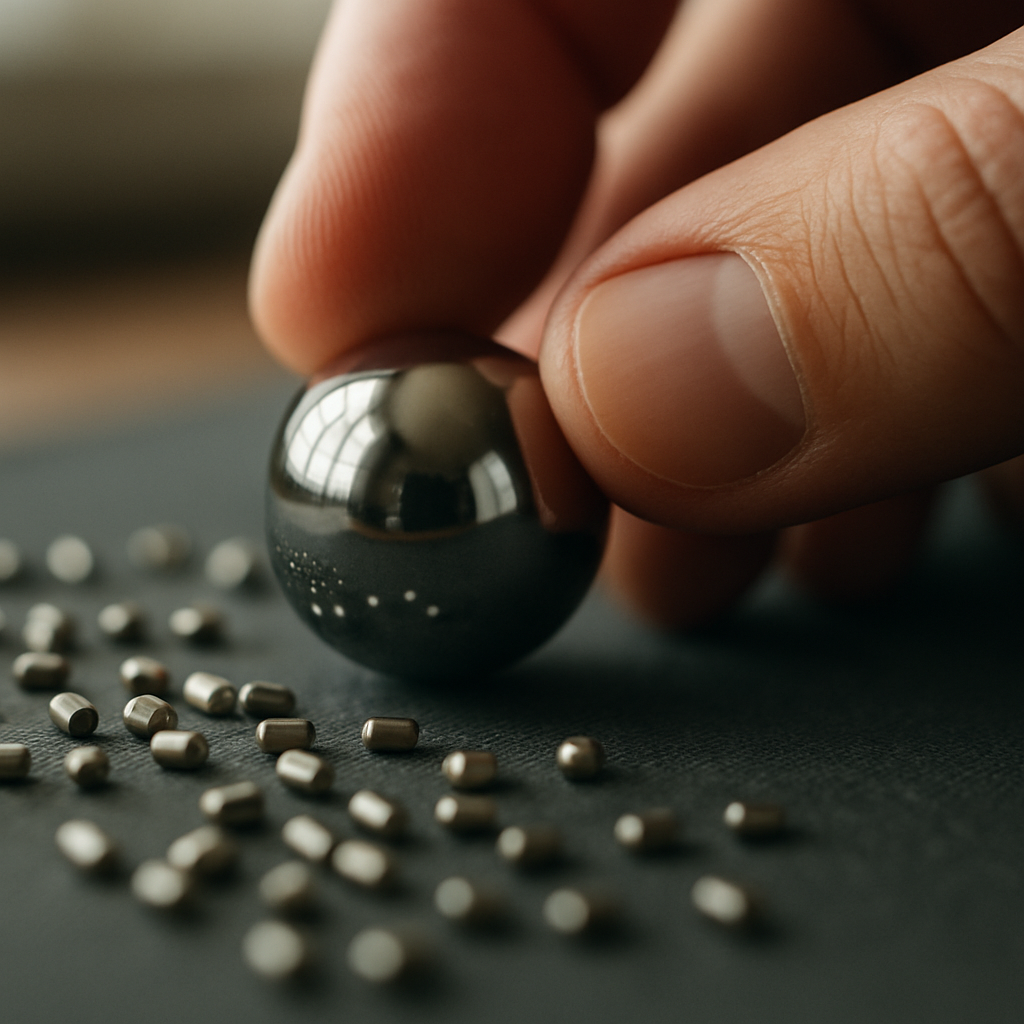
One of the more interesting recent shifts is aesthetic. The current generation of desk toys is designed unmistakably for adults: anodized aluminum sliders, brass spinning tops, haptic clicky tools with the machining tolerances of watch parts. Entire small brands exist making what can only be called luxury fidgets, and crowdfunding platforms regularly see these projects raise startling sums.
This premiumization does something clever — it launders play through the language of craftsmanship. An adult who might feel silly with a rainbow popper feels entirely comfortable with a precision titanium object that "helps them think." The play impulse is identical; only the permission structure has changed. In that sense, the desk toy industry is running a quiet cultural argument: that adults deserve objects whose only job is to be pleasing to touch.
Choosing and Using a Fidget Well
For anyone tempted to add a tactile object to their workspace, a few practical notes:
- Silent beats loud. Clicking and snapping toys can be deeply satisfying for you and enraging for colleagues. Rings, stones, and sliders keep the peace.
- Eyes-free is the goal. The best fidgets require zero visual attention. If you have to look at it, it's competing with your work rather than supporting it.
- Match the texture to the mood. Smooth and weighty tends to calm; clicky and resistant tends to energize. Many enthusiasts keep both within reach.
- Watch the swap effect. If the object replaces phone-checking during idle moments, that's usually a win — a fidget can't show you notifications.
- Respect context. In meetings, under-the-table beats on-the-table. Discretion is part of the adult fidget contract.
A Small Defense of Restless Hands
There's a tidy story hiding in fidget culture. For a century, workplaces and schools trained people to equate stillness with attention and motion with disrespect. The evidence — and the sheer, persistent popularity of these objects — suggests the equation was always wrong for many bodies. Hands want work. Given none, they'll drum, click pens, and shred napkins; given a well-designed object, they'll settle into a quiet rhythm that lets the mind get on with things.
Seen that way, the humble desk toy is a small act of self-knowledge: an admission that we are creatures who think better while touching the world. It's play at its most miniature — no rules, no goal, no winner — and perhaps that's exactly why it fits so easily into the corners of adult life.