 Off The Grid Play
Game Feel: The Invisible Craft That Makes Play Satisfying
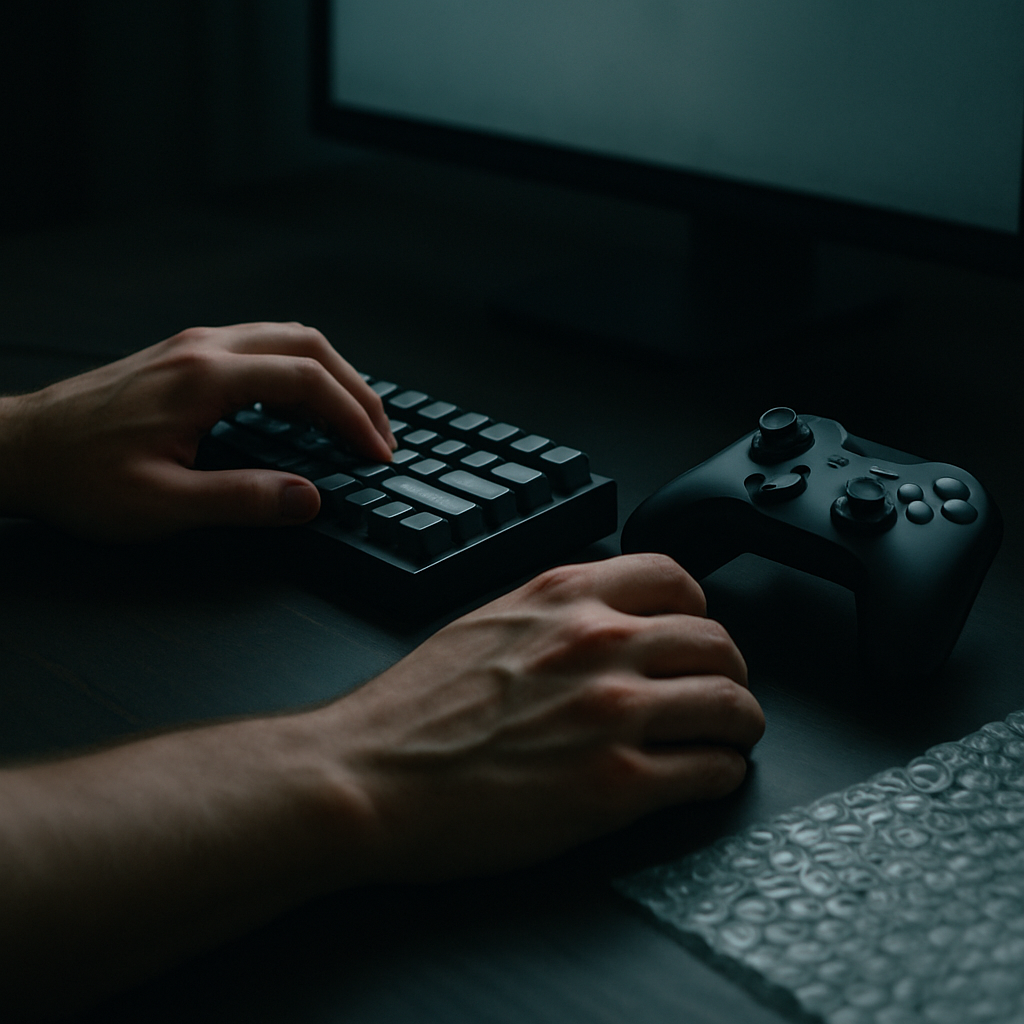
Why does popping bubble wrap feel amazing? Why is one mobile game's button press oddly delicious while another's feels like tapping cardboard? Why do players describe some games as "crunchy," "floaty," or "buttery" — words borrowed from food and fabric? The answer lives in a discipline most people have never heard of: game feel, sometimes called "juice." It's the art of making interactions physically satisfying, and once you learn to see it, you'll notice it everywhere — far beyond games.
What "Juice" Actually Means
Among designers, "juicing" a game means adding layers of audiovisual feedback to every interaction until the game world feels alive and responsive. A juiced-up jump isn't just a character moving upward. It's a slight squash of the character before takeoff, a stretch during ascent, a puff of dust at the launch point, a subtle sound with randomized pitch, and a tiny camera nudge — all in a fraction of a second.
None of these effects change the rules. The jump covers the same distance either way. But the difference in feeling is enormous. Classic demonstrations of this principle take a bare-bones Breakout clone and progressively add screen shake, particle bursts, sound, and bouncy animations — same mechanics, transformed experience. The lesson: how a game plays on paper and how it feels in the hands are two different things, and the second one is what players fall in love with.
The Ingredients of Satisfying Interaction
Game feel is built from a surprisingly consistent toolkit.
Instant response. The gap between input and reaction must be imperceptible — ideally under 100 milliseconds. Lag, even slight, reads as deadness. This is why fighting-game players obsess over display latency and why a sluggish website feels vaguely insulting.
Squash and stretch. Borrowed from the classic principles of animation, objects that deform on impact feel physical and alive. A ball that squishes when it lands reads as rubber; one that doesn't reads as a sliding image.
Sound with variation. Repetitive identical sounds turn robotic fast. Great games slightly randomize pitch and volume so a hundred coin pickups never feel mechanical.
Exaggerated consequence. Screen shake on explosions, brief freeze-frames on big hits, controller vibration — amplifying the moment of impact tells the body something happened, not just the eyes.
Anticipation and follow-through. A wind-up before an action and a settle after it give interactions rhythm. Instantaneous state changes feel cheap; motion with weight feels crafted.
Why Our Brains Crave It
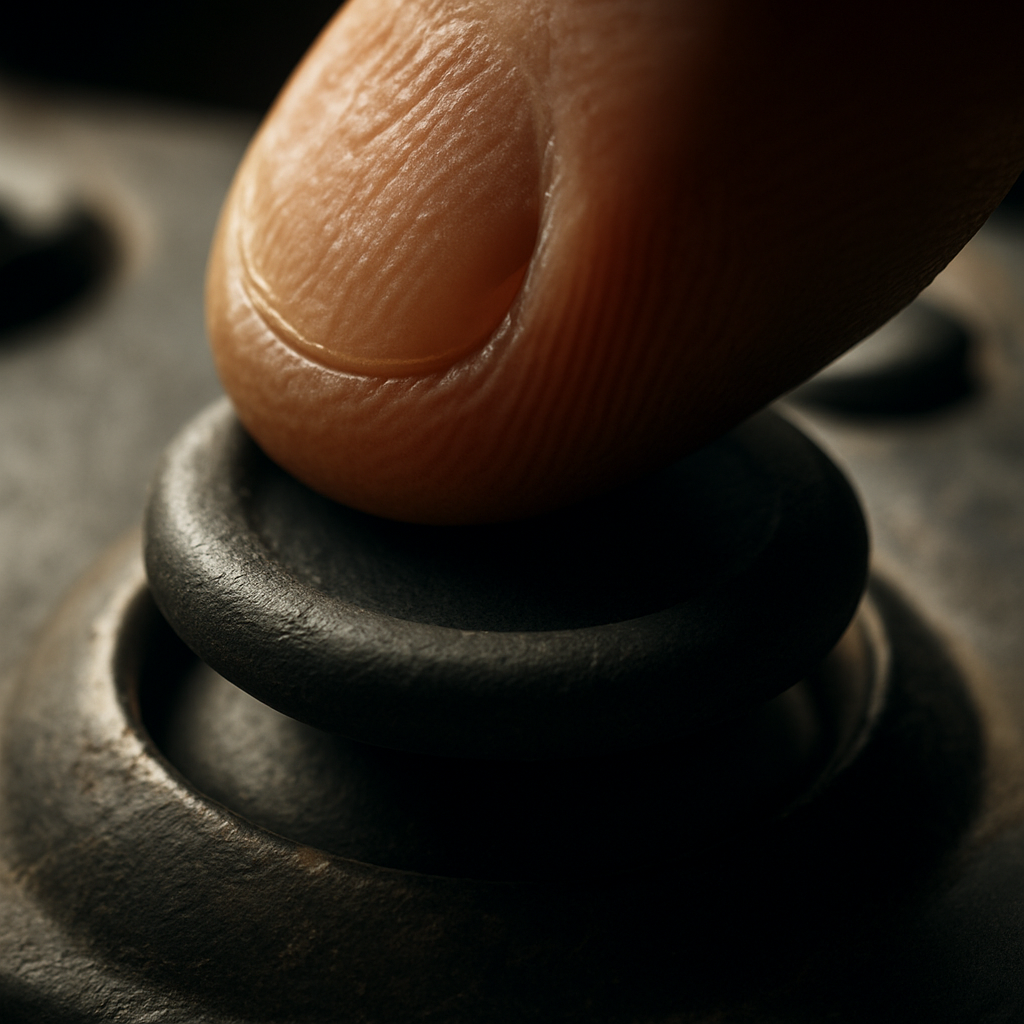
The pleasure of juice isn't arbitrary. Human nervous systems are tuned to seek tight cause-and-effect loops — it's how infants learn, banging spoons and delighting in the clatter. Every crisp, immediate, slightly surprising response to our action delivers a micro-dose of agency: I did that. Psychologists connect this to the concept of "effectance motivation," a basic drive to see ourselves influence the world.
Juicy design essentially concentrates that experience. It takes a mundane action and reflects it back enlarged, confirming our impact with light, sound, and motion. That's also why juice has a dark-pattern potential: slot machines are arguably the most aggressively juiced interfaces ever built, celebrating even losing spins with fanfare. The same craft that makes a platformer delightful can make a manipulative system compelling. The tool is neutral; the intent matters.
Game Feel Outside of Games
Once you have the vocabulary, you'll spot juice across daily life. The satisfying thunk of a well-engineered car door is automotive game feel. The pull-to-refresh animation on your phone, the haptic click of a virtual button, the confetti when you complete a task in a to-do app — all direct descendants of game design thinking.
Physical products have always known this. Zippo lighters, fidget toys, mechanical keyboards, the click wheel of the original iPod — objects that feel good to operate get used more and loved longer, independent of function. Toy designers may be the original juice experts: a great toy is often nothing but feel.
There's a practical takeaway for anyone who makes things. Whatever you build — an app, a spreadsheet tool, a lesson, a presentation — ask the game designer's question: does interacting with this feel responsive and alive, or inert? Small feedback touches, honest and immediate, are among the cheapest quality upgrades available.
The Feel Is the Fun
Game feel is a humbling reminder that play is not primarily an intellectual activity. Before strategy, before story, before points, there is the body's simple verdict: this feels good to do, or it doesn't. The best play experiences win that verdict in the first three seconds, with a jump that squashes just right or a click that lands like a handshake.
It's invisible craft in the truest sense — when done perfectly, nobody notices anything except that they don't want to stop. Which, if you think about it, is the highest compliment play can receive.