 Off The Grid Play
The Impact of Streaming Platforms on Indie Game Development
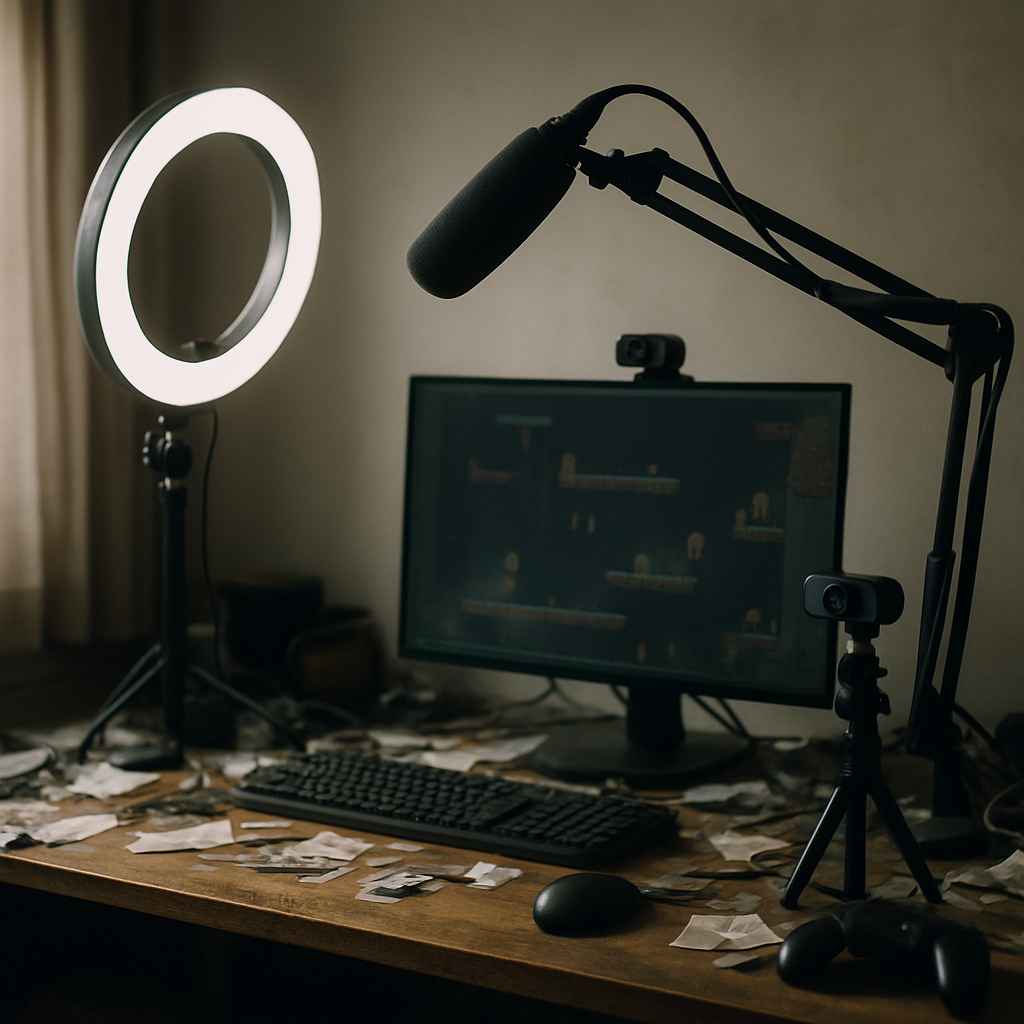
With the rise of streaming platforms like Twitch and YouTube, the landscape of indie game development has transformed dramatically. These platforms have become pivotal in shaping how indie games are marketed, perceived, and played. The democratization of game exposure allows indie developers to reach global audiences without the need for massive marketing budgets. This can lead to overnight success, but it also places immense pressure on developers to create content that is not only innovative but also stream-friendly. Understanding the nuanced relationship between streaming platforms and indie gaming requires a closer look at various facets of the industry, from financial implications to community engagement and beyond.
Changing the Marketing Narrative
In the traditional video game market, large-scale publishers dominated the marketing narrative due to their substantial budgets and industry influence. However, streaming platforms have leveled the playing field for indie developers. Platforms like Twitch and YouTube allow developers to showcase their games directly to potential players worldwide, bypassing traditional advertising channels. The organic reach of a popular streamer or content creator can be more impactful than a standard advertisement, often leading to a surge in game sales following a well-received stream.
This new marketing dynamic benefits indie developers in particular, as they frequently lack the resources to engage in large-scale promotional campaigns. The right streamer demonstrating an indie game can lead to viral success. For instance, games like "Among Us" and "Hades" experienced significant increases in popularity due to streaming exposure. The visibility offered by these platforms can accelerate an indie game's success trajectory, allowing developers to connect with audiences they might not otherwise reach.
However, this approach also requires developers to carefully consider the streamability of their games. Games that offer engaging, watchable content tend to perform better on streaming platforms. This need for visual and interactive appeal can influence design decisions, driving developers to create games that prioritize spectacle and viewer engagement. Therefore, the presence of streaming platforms has not only changed how indie games are marketed but also how they are designed from the ground up.
Financial Implications for Developers
The financial landscape for indie developers has been both challenged and enhanced by the advent of streaming platforms. While these platforms offer invaluable marketing opportunities, they can also complicate revenue streams. For instance, the success of Twitch and YouTube content creators depends heavily on ad revenue and sponsorships, not direct sales of the games. This often means that while a game may garner substantial attention, translating that buzz into actual sales can be complex.
Some indie games benefit financially from being featured on subscription-based services like Xbox Game Pass or PlayStation Plus, which may offer upfront payments to developers. However, not all games receive such deals, and the reliance on streaming for visibility means that developers must strategize carefully about monetization. Games that include digital content, in-game purchases, or additional downloadable content tend to perform better financially in this environment, as they provide continuous revenue streams even after the initial sale.
Moreover, collaborations with popular streamers can offer lucrative possibilities for indie game developers. Streamers may choose to partner with developers for sponsored content, which can provide a dual benefit of increased visibility and direct financial gain. Yet, striking the right balance between artistic integrity and commercial viability remains a critical challenge for many indie creators. The pressure to design games that appeal both to players and to an audience takes on financial significance, as success or failure can hinge on this dual appeal.

Community Engagement and Feedback
One of the most significant benefits streaming platforms provide to indie game developers is the opportunity for direct community engagement. Through chats and live interactions, developers can receive immediate feedback from players and viewers, allowing them to iterate on their games more effectively. This real-time dialogue between developers and their audience facilitates a collaborative design process that can significantly enhance the final product.
Streamers themselves often play a vital role in shaping community perceptions of a game. Their influence can extend beyond mere gameplay; they can foster a sense of community around a game that enhances player loyalty and engagement. Indie games with strong narratives or multiplayer capabilities, such as "Stardew Valley" or "Don't Starve Together," often benefit from this community-building aspect, as players are drawn into shared experiences that extend beyond the game itself.
The feedback loop created by streaming platforms allows developers to identify and address issues quickly, potentially leading to improved game quality and player satisfaction. However, this immediacy can also be a double-edged sword, as developers must be prepared to handle public criticism and address player concerns promptly. This pressure to respond rapidly to community feedback can be both a boon and a burden, demanding that developers maintain a delicate balance between creative vision and audience expectations.
The Role of Streamer Personalities
Streamers have become influential tastemakers in the gaming industry, and their personalities can have a profound impact on the success of indie games. A charismatic streamer with a large following can elevate an indie game from obscurity to prominence in a short period. For example, streamers like Ninja and Pokimane boast millions of followers who trust their opinions and often follow their game recommendations.
The intersection of streamer personality and game success highlights a symbiotic relationship where both parties benefit. For developers, having a popular streamer play their game can provide invaluable exposure and traction. For streamers, showcasing new and innovative games can keep their content fresh and engaging for their audience. This dynamic creates a mutually beneficial relationship that can significantly boost the visibility of indie games.
However, relying heavily on streamer personalities introduces an element of unpredictability. Streamers may inadvertently shift focus away from aspects of a game the developers wish to highlight, or they may fail to resonate with the intended audience. Additionally, the fast-paced nature of streaming culture means that a game's moment in the spotlight can be ephemeral. Developers need to be aware of these factors when considering how streamer partnerships affect their overall marketing and engagement strategies.
The Future of Indie Game Development and Streaming
As streaming platforms continue to evolve, their impact on indie game development will undoubtedly grow more profound. The ability for developers to tap into global audiences through these platforms will remain a driving force in game design and marketing strategies. Streaming culture, with its emphasis on live interaction and real-time feedback, is likely to encourage more developers to focus on creating games that are not only fun to play but also engaging to watch.
Innovations in streaming technology may further enhance these dynamics, with advancements in virtual reality and augmented reality potentially offering new ways for players to engage with both games and streamers. As these technologies become more accessible, developers might experiment with new genres and mechanics that capitalize on these immersive experiences, leading to unprecedented levels of player interaction and community involvement.
While the future holds exciting possibilities, indie developers must remain vigilant about the challenges posed by an ever-changing landscape. Emphasizing creativity, community engagement, and adaptability will be crucial in navigating the complexities of the streaming-driven market. By leveraging the unique opportunities presented by streaming platforms, indie developers can continue to thrive and push the boundaries of what is possible in the gaming world.